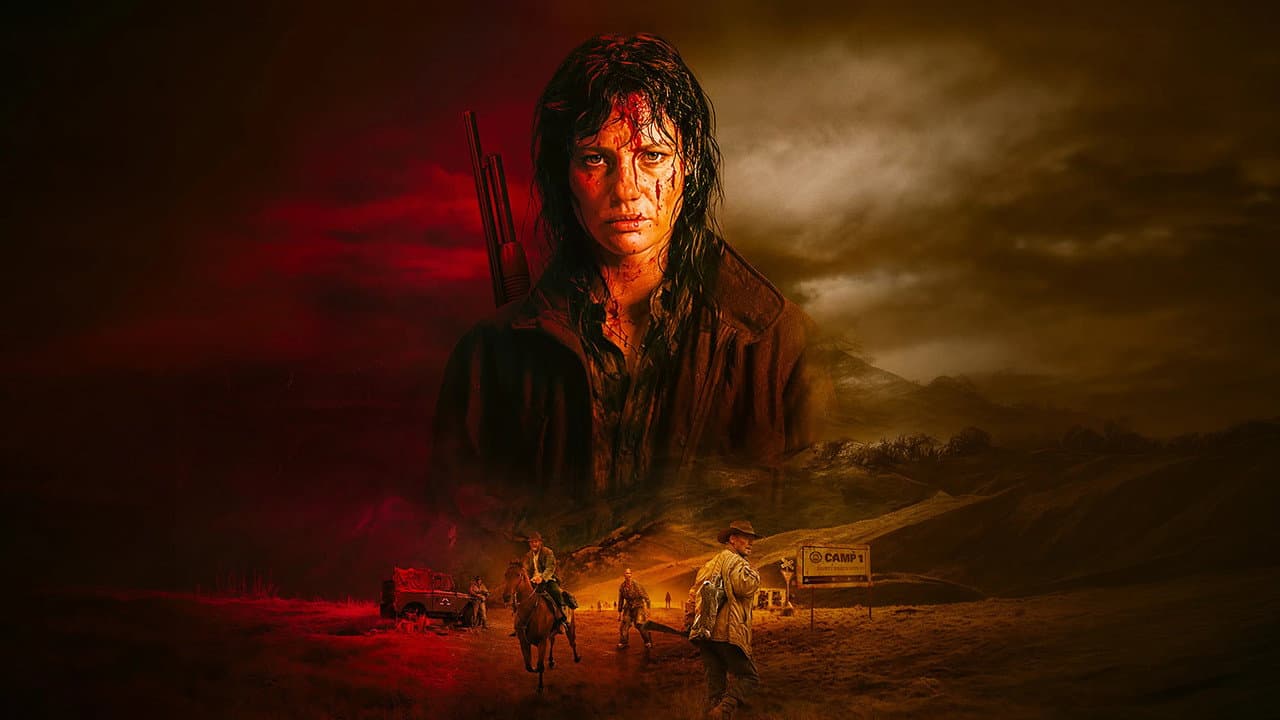
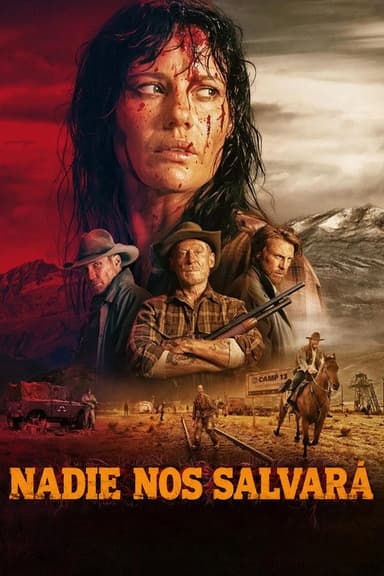
Sinopsis
Aislada en una remota cabaña de montaña, una superviviente se aferra a su propia soledad mientras el mundo exterior se sume en un caos sangriento. Pero su frágil santuario se hace añicos cuando un misterioso hombre se topa con su puerta, perseguido por una despiadada y autoritaria banda de forajidos. El insólito dúo debe elegir entre esconderse o abrirse paso a través de un bosque plagado de infectados carnívoros. ¿Cuánta humanidad se puede conservar cuando el mundo ha perdido la suya?
Reparto
Reparto principal
16 actores
Lily Sullivan
Rory

Callan Mulvey
Logan
Richard Roxburgh
Otto

Lance Giles
Noah

Bree Peters
Scout

Lawrence Makoare
Brooks

Dean O'Gorman
Lockie

Bonnie Filer
Matty

Travis Luke
Connor

Zack McCracken
Christine

Luke Hawker
Howler #1
Andre Gwilliam
Howler #2
Freddy Okyere
Howler #3

Jodie Glinster
Howler #4
Marie Dorin
Howler #5
Kim Coll
Howler #6
Reseñas
Marco-Hugo Landeta Vacas
agosto de 2026
(CASTELLANO) *Nadie nos salvará* tenía ingredientes para funcionar mucho mejor. Un mundo arrasado por un virus, infectados violentos, supervivientes aislados, una protagonista cargando con un trauma enorme y los paisajes de Nueva Zelanda como escenario. El problema es que todo eso acaba enterrado bajo una película lentísima que parece empeñada en convertir a los zombis en un elemento secundario. Y lo siento, pero a mí este tipo de películas me desesperan. Me recuerda demasiado a algunos de los peores episodios de *The Walking Dead*: aquellos en los que los zombis estaban por ahí, se escuchaban a lo lejos, aparecían de vez en cuando, pero la historia prefería detenerse durante cuarenta minutos en los traumas, silencios y conflictos personales de los supervivientes. Aquí ocurre algo parecido. Los infectados existen, son peligrosos y podrían haber dado lugar a una historia realmente intensa. Sin embargo, durante buena parte de la película apenas funcionan como una amenaza. Están en segundo plano mientras *Nadie nos salvará* intenta ser a ratos un western, a ratos un drama familiar y solamente de vez en cuando una película de terror. El resultado tiene una identidad bastante confusa. Lily Sullivan interpreta a Rory, una mujer completamente marcada por la pérdida y la culpa. El personaje podía haber funcionado muy bien, pero el guion insiste tanto en el dolor y en la gravedad de todo que termina creando distancia en lugar de emoción. La película quiere que suframos con ella, pero muchas veces simplemente la vemos sufrir. Y no es lo mismo. Además, el ritmo es tremendamente lento. Hay planos largos, silencios, personajes mirando al horizonte y escenas que parecen diseñadas para que contemplemos el paisaje mientras esperamos a que ocurra algo. Por suerte, el paisaje es espectacular. La fotografía es probablemente lo mejor de la película. Nueva Zelanda tiene unas localizaciones impresionantes y Peter McCaffrey sabe aprovecharlas. Montañas, bosques, caminos, ríos y enormes espacios abiertos convierten este apocalipsis en uno de esos lugares terribles en los que, paradójicamente, casi apetecería quedarse mirando el paisaje. Visualmente hay mucho que salvar. También hay una cierta estética de western que funciona bastante bien. Armas, caballos, enfrentamientos en mitad de la nada y personajes que parecen vivir en una nueva frontera sin leyes. Algunas escenas tienen incluso una fuerza que hace pensar en la película que podría haber sido. Pero luego volvemos al dramón. Y volvemos a esperar. Ese es el problema principal: cuando tienes zombis —o “howlers”, como los llaman aquí— no necesitas convertir cada minuto en una persecución, pero sí necesitas que su existencia pese sobre la película. Aquí durante demasiado tiempo no pesan. Se escuchan. Se mencionan. Sabemos que están ahí. Pero rara vez sentimos que puedan aparecer en cualquier momento y destruirlo todo. Cuando finalmente la película se acerca más al horror y la acción, mejora. El tramo final tiene más energía, hay enfrentamientos y los infectados por fin adquieren cierta presencia. Pero llega demasiado tarde. Para entonces ya hemos pasado demasiado tiempo atravesando un drama familiar postapocalíptico que no consigue generar la emoción que pretende. Richard Roxburgh aporta presencia, y Lily Sullivan tiene momentos buenos, pero los personajes secundarios están bastante poco desarrollados. Los antagonistas cumplen su función sin llegar a resultar especialmente interesantes. Todo parece subordinado a la culpa y la redención de Rory. Y ahí volvemos al mismo problema: la película quiere tener mucho peso emocional, pero no consigue que ese peso llegue realmente al espectador. *Nadie nos salvará* podría haber sido una buena película. Tiene una idea aprovechable, una fotografía estupenda, unas localizaciones impresionantes y algunos momentos de acción bastante efectivos. Pero hay demasiada mierda dentro. Demasiado silencio pretendidamente profundo, demasiado drama que no emociona y demasiados zombis relegados al fondo de una película que precisamente necesitaba utilizarlos mejor. Muy bonita. Muy seria. Y demasiado aburrida. (ENGLISH) *Forgive Us All* had enough ingredients to be much better. A world destroyed by a virus, violent infected people, isolated survivors, a traumatised protagonist and the spectacular landscapes of New Zealand. Unfortunately, all of that gets buried beneath an extremely slow film that seems determined to make its zombies secondary. And I really struggle with this kind of approach. It reminded me of some of the weakest episodes of *The Walking Dead*: the ones where zombies technically existed somewhere nearby, but the story preferred spending most of its time on silence, grief and personal conflicts between survivors. Something similar happens here. The infected are dangerous and could have created a genuinely tense story, but for much of the film they barely function as a threat. Instead, *Forgive Us All* alternates between western, family drama and only occasionally horror. The result has a confused identity. Lily Sullivan plays Rory, a woman consumed by grief and guilt. There was real potential in the character, but the screenplay insists so heavily on suffering and solemnity that it creates emotional distance instead of genuine feeling. The movie wants us to suffer with her. Too often, we simply watch her suffer. That is not the same thing. The pacing is also painfully slow. There are long shots, silence, characters staring into the distance and scenes that seem designed primarily to make us admire the landscape while waiting for something to happen. Fortunately, the landscape is stunning. The cinematography is probably the film’s greatest strength. New Zealand provides extraordinary locations, and Peter McCaffrey uses them beautifully. Mountains, forests, rivers and huge open spaces turn this apocalypse into a place that looks almost too attractive for the end of civilisation. Visually, there is plenty to admire. The western element also works at times. Guns, horses, isolated settlements and characters living in a new lawless frontier occasionally suggest the stronger film hidden somewhere inside this one. Then it returns to the heavy drama. And we keep waiting. That is the main problem. A zombie film does not need constant attacks, but the threat should always feel present. Here it does not. The “howlers” are heard and discussed, and we know they exist somewhere nearby, but they rarely create the feeling that everything could collapse at any moment. When the film finally moves closer to action and horror, it improves. The final section has more energy, stronger confrontations and the infected finally become important. But it happens too late. By then, we have spent too long inside a post-apocalyptic family drama that never earns the emotional weight it wants. Richard Roxburgh brings presence, and Lily Sullivan has good moments, but the supporting characters remain thin and the villains are mostly functional obstacles. Everything ultimately serves Rory’s guilt and search for redemption. And again, that is where the film fails for me: it wants to feel emotionally heavy, but very little of that weight reaches the audience. *Forgive Us All* could have been good. It has a workable premise, excellent cinematography, extraordinary locations and a few effective action scenes. But there is far too much dead material surrounding them. Too much supposedly meaningful silence, too much drama that fails to move, and too little use of the infected. Beautiful. Serious. And painfully boring.
Dónde verlo
Incluido en suscripción


Alquiler


Compra
Datos de JustWatch vía TMDB · Disponibilidad en España
Ficha técnica
Dirección
Jordana Stott
Guion
Jordana Stott, Alex Makauskas
Estreno
2025-05-08
Duración
93 min
Clasificación
16
Idiomas
English